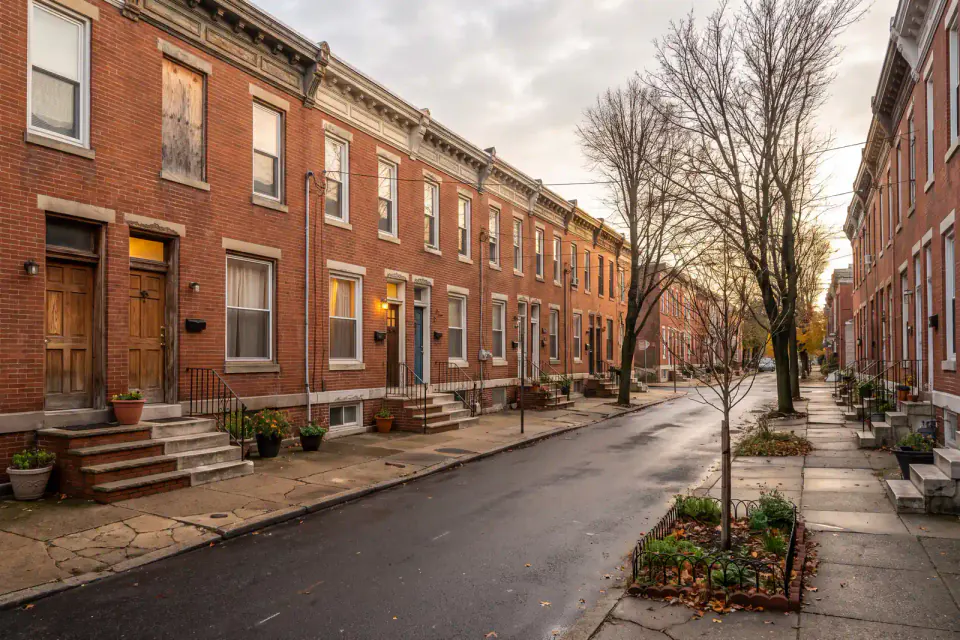
Kensington's neighborhood record describes dense blocks of narrow brick rowhomes, many built before 1920, alongside significant vacancy and disinvestment. That combination makes an address-specific review essential. Roofs, masonry, interiors, utilities, access, and adjoining conditions can create very different scopes from one rowhome to the next, even when the facades appear similar from the street.
Vacant or boarded properties, L&I violations, condemnation risk, and inherited ownership are the recurring Kensington concerns identified in the local data. Those concerns belong in separate files. Condition photos and access notes describe the building, violation documents describe the City's administrative record, and deeds or estate papers help the closing professionals determine who can convey the property.
An as-is offer can account for a Kensington house in its present condition without asking the owner to complete a retail renovation first. Kaizen evaluates comparable sales, the property's current state, and expected work. The seller should still disclose known notices, identify anyone with access, and provide ownership documents so the written offer and the eventual title review start with accurate information.